
Why Bag Filters Fail: Understanding Key Factors Affecting Dust Removal Efficiency
Why Bag Filters Fail: Understanding Key Factors
Affecting Dust Removal Efficiency
Let’s face it—when a bag filter starts underperforming, it’s not just frustrating. It can halt production, affect air quality, compromise employee safety, and even lead to regulatory issues. Whether you’re running a manufacturing plant, a cement facility, or a food processing unit, a failing bag filter can feel like a silent troublemaker you didn’t see coming.
But here’s the good news: most bag filter failures aren’t random. They’re usually the result of a handful of very fixable issues. In this blog, we’ll break down why bag filters fail, what really affects their dust removal efficiency, and how to keep them running like a well-oiled machine (well… more like a well-filtered one).
First Things First: What Exactly Does a Bag Filter Do?
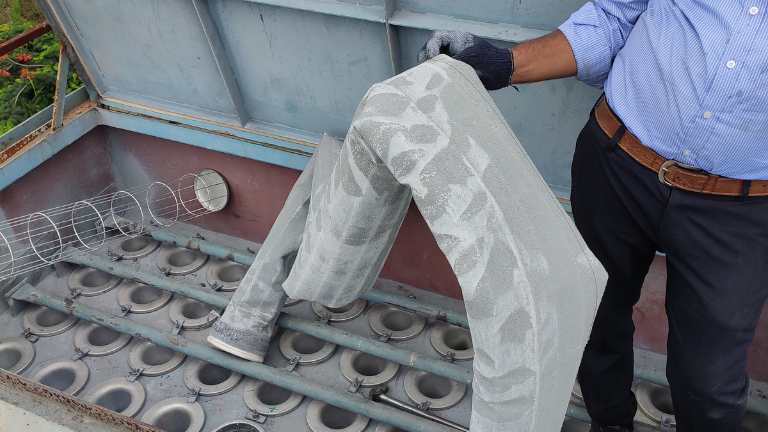
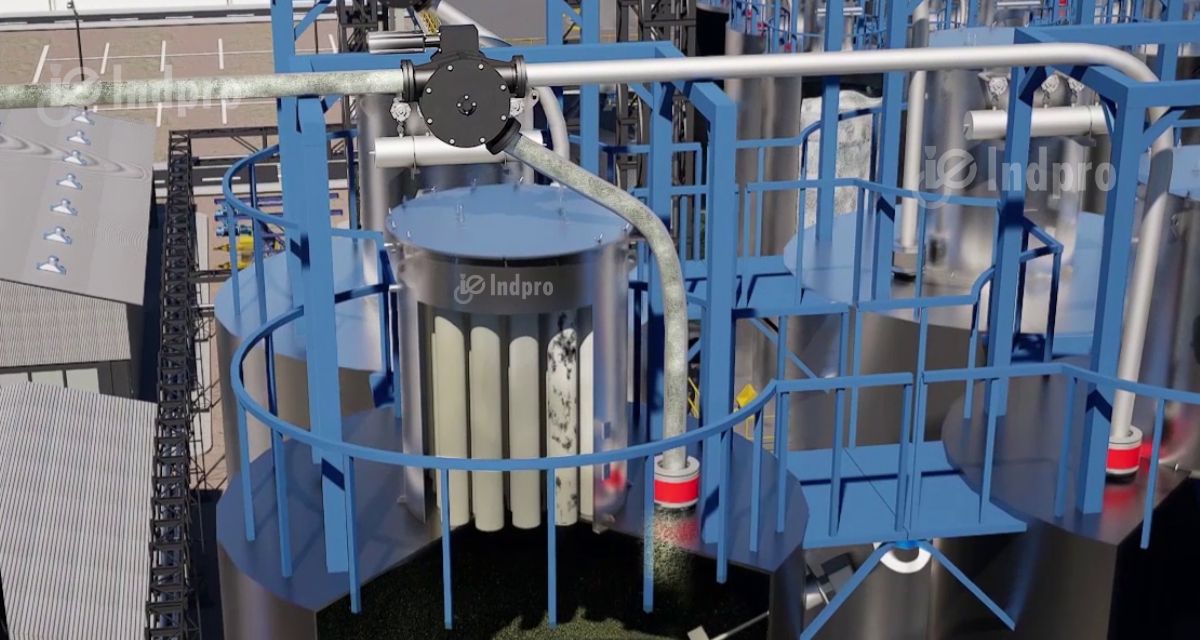
A bag filter functions like the respiratory system of your industrial operation. Its job is to capture dust and particles from the air before they escape into the atmosphere or clog up your systems. It’s a critical component in ensuring clean air, protecting equipment, and staying compliant with environmental norms.
But like lungs, if a bag filter is overloaded, clogged, or damaged—it struggles to do its job. And that’s where the real trouble starts.
Common Reasons Bag Filters Fail (And How to Fix Them)
Let’s walk through the major culprits that can send your dust collector into a downward spiral.
1. Poor Filter Bag Selection
“One size fits all” doesn’t apply here.
Using the wrong filter material for your application is like wearing a sweater to a snowstorm—it just doesn’t work. Every dust type has its quirks. Some are sticky. Some are abrasive. Some are hygroscopic (they absorb moisture). Some come at high temperatures.
If your filter bags aren’t matched to the dust characteristics, operating temperature, or moisture levels, you’re bound to run into problems like:
- Rapid wear and tear
- Clogging
- Loss of filtration efficiency
- High outlet emissions
What to do instead:
Work with your supplier to understand your dust properties and choose the right fabric—whether it’s polyester, aramid, PTFE, fiberglass or something more specialized.
2. Improper Cleaning System Settings
Overcleaning is no better than under cleaning
Bag filters most commonly rely on technologies such as pulse-jet or shaker for cleaning. But if your system is cleaning too frequently, you’ll wear out the bags quickly. Too infrequently, and dust cakes will build up, causing pressure drop and choking airflow.
What to look out for:
- High-pressure drop across the filter
- Visible dust emissions from the outlet
- Premature bag failure
- Lowered suction at collection hoods
Fix it by:
Monitoring differential pressure and adjusting pulse or shaking intervals accordingly. Automating this process with intelligent controllers can do wonders.
3. Leaks in the System
Even the smallest leak can let dirty air sneak past the filters.
A tiny crack or loose / worn out gasket may not look like much, but it can be the reason dust is escaping into your clean air zone. Leaks reduce the overall efficiency of dust collection and let fine particles bypass the filtration process.
Signs to watch:
- Dust around the clean air plenum
- Rising emissions despite intact bags
- Dirty spots near seams or seals
Quick tip:
For leak detection, routinely set fluorescent powder testing or light-assisted visual checks.
4. Overloading with Dust
Don’t expect your filter to do the job of a pre-separator.
Some systems push too much dust directly to the filter bags without using a cyclone pre-separator or drop-out box. This overwhelms the bags and reduces their lifespan dramatically.
Result?
Filters clog faster. Cleaning cycles run constantly. Maintenance becomes your new hobby.
Better approach:
Install proper pre-separation devices to reduce the dust load before it reaches the bags. This small addition can drastically improve system longevity.
5. High Moisture or Sticky Dust
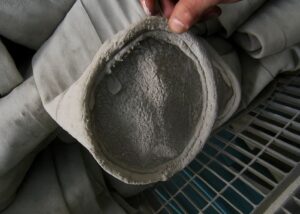
Moisture + dust = mud. And mud doesn’t filter well.
When sticky dust or moisture-laden air enters your baghouse, it can form a dense, gooey layer on the filter surface. This blinds the bag and prevents proper cleaning.
Typical culprits include:
- Cement dust in humid environments
- Food powders (sugar, flour)
- Hygroscopic chemicals
What helps?
- Pre-conditioning the air (heating or dehumidifying)
- Using PTFE-coated or anti-stick filter bags
- Ensuring proper insulation to avoid condensation
6. Worn-Out or Damaged Bags
Even the best bags have an expiry date.
Filter bags are not forever. With time, they degrade due to:
- Mechanical stress
- Chemical attack
- Heat exposure
- Poor cleaning
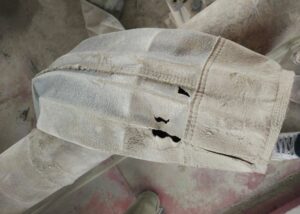
Old, torn, or brittle bags let dust pass through and compromise the whole system.
Your move:
Create a regular inspection and replacement schedule. Don’t wait for a breakdown.
7. Improper Installation
An incorrectly installed bag is a useless bag.
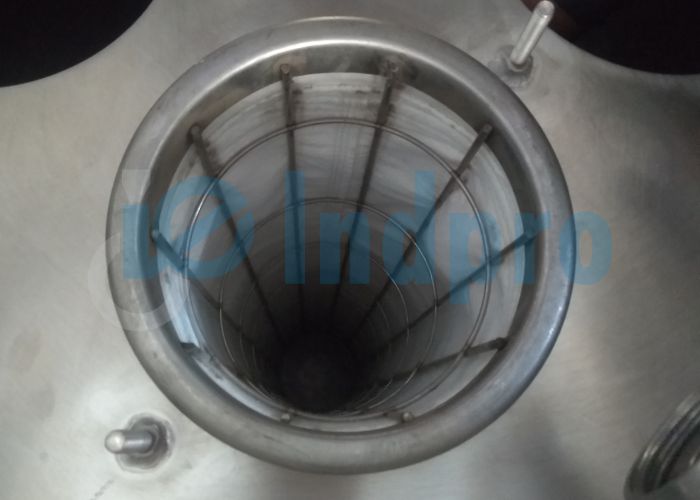
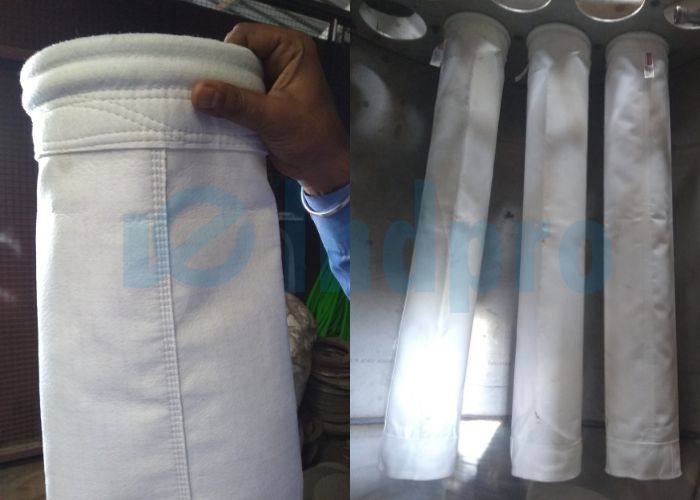
Incorrect installation—including slack snap bands, misaligned cages, or crimped seams—can result in leakage, shortened filter life, and sealing issues.
Avoid this by:
Training your maintenance team well or working with experienced technicians. One hour of careful installation saves ten hours of future troubleshooting.
Best Practices for Maximizing Particulate Removal in Bag Filter Systems
Here are a few quick pointers to help your baghouse breathe easy:
- Choose the right filter media for your dust type and temperature
- Check for leaks routinely
- Monitor differential pressure and optimize cleaning cycles
- Handle sticky dust carefully—control moisture
- Use pre-separators where dust load is high
- Schedule maintenance before it becomes an emergency
Final Thoughts: It’s Not Just the Filter. It’s the Whole System.
Here’s the thing—your bag filter’s efficiency doesn’t just depend on the filter itself. It’s about how the entire system is designed, maintained, and operated.
Think of your baghouse like a car engine. Even if you use the best oil, it won’t run smoothly if the air filter is clogged, or the timing is off, or if the oil is too old. The same goes for bag filters—all parts need to work in sync.
By understanding the key reasons bag filters fail—and acting early—you can save time, money, and a whole lot of dusty frustration.
Have a question or need help choosing the right filtration system?
Reach out—we’re always happy to talk dust (and how to get rid of it)!